Present
Misafirik! Ειμαστε Μουσαφηρηδες! Nahni Corpa!
My FBP, Misafirik!, brought my PI&V into its clearest form so far. The project investigated how prehistoric Cypriot material culture can be reinterpreted through participatory, decolonial design approaches to empower contemporary Turkish Cypriot identity, applied to a speculative reimagining of Cyprus Turkish Airlines. I adapted Pōkā Laenui’s processes of decolonization (2007) into an iterative Research through Design framework (Zimmerman et al., 2007), using the phases Rediscovery and Recovery, Dreaming, Mourning, Commitment and Action as process vocabulary.
Creativity & Aesthetics
My first B3.2 PDP goal was to strengthen concept development through CMF. I tackled this by translating six “Commitment themes” from workshop data into six CMF seat upholstery concepts. Each concept combined a symbol set, moodboard, material board and curated colour palette. This helped me translate abstract values such as belonging, hospitality, craft and cultural continuity into coherent material and visual directions. The final style guide (Figure 1) made these concepts communicable as a professional design proposal. For the visualizations in evaluative survey and report, I also learned and used Vizcom as an industry-relevant sketch-to-render tool (Vizcom Team, 2026). My workspace is linked here.

Figure 1. Hand-bound 'star book' style guide, photo by Sereni Loa (2026).
User & Society
My User & Society goal was to facilitate participatory design with meaningful outcomes. I addressed this through two speculative fabulation workshops with Turkish Cypriot participants across generations. These workshops moved participation beyond conversation: participants created artifacts (Figure 2), responded to each other’s interpretations and contributed knowledge about identity, heritage, craft and possible futures. I analysed the workshop data through reflexive thematic analysis (Braun & Clarke, 2019), producing the Commitment themes that directly shaped the final design. This showed me that participation can generate valuable design knowledge when it is carefully designed, facilitated, analysed and reflected upon.

Figure 2. Workshop artifact (by anonymized participant) from the first speculative fabulation workshop, 2026.
Business & Entrepreneurship
My B&E goal was to explore value creation aligned with my PI&V. I approached this by positioning the project as both a speculative design proposal and an industry-applicable value-creation process. Reimagining KTHY allowed me to explore how situated, critical and participatory design could exist in a commercial context without losing its values. I also developed this area practically by contacting companies to request material samples (Figure 3). This made value creation feel less abstract: it involved stakeholder communication, resourcefulness and building professional connections around the project.

Figure 3. Long-awaited 'pitboard' sample delivery from Pit-to-Table (2026).
Technology & Realization
Although Technology & Realization was not one of my formal B3.2 PDP goals, I developed it in a way that was appropriate to the project. I researched and ordered material samples, learned about how textiles are manufactured and certified for use in airplanes, and learned book-binding so I could realise the final demonstrator as a hand-bound style guide (Figure 4).
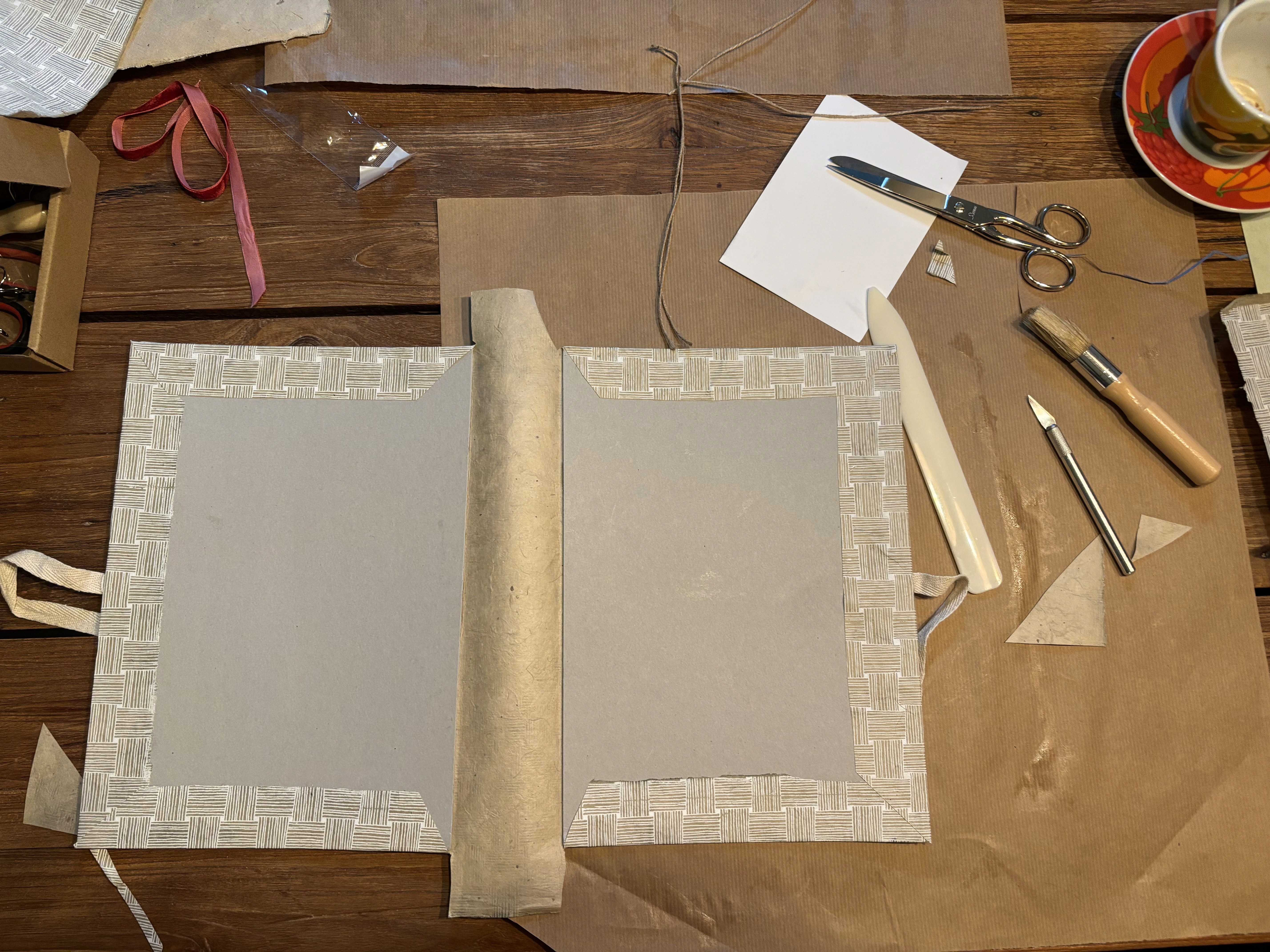
Figure 4. Book-binding process for FBP (2026).
Math, Data & Computing
I also developed Math, Data & Computing beyond what I had planned. For the evaluation, I used semantic differentials and word choice questions to analyse whether the CMF concepts communicated their intended narratives. Semantic differentials (Figure 5) were not introduced in basic Data Analytics courses, but were relevant to CMF because they evaluate subjective perception, mood and meaning (Osgood et al., 1978), This gave my material-driven process a more structured validation layer.

Figure 5. Semantic Differential survey vs. data visualization for FBP.
Overall, B3.2 helped me see that my PDP goals were not separate tasks but connected parts of one design practice. CMF gave form to the values, participatory workshops generated the knowledge, B&E helped position the work, T&R grounded it in material and industry realities, and MD&C helped evaluate whether the intended narratives were communicated.
References
Vizcom Team. (2026, January 19). Digital Car Design: How Studios Use 3D from Day One [Blog]. Vizcom Blog. https://vizcom.com/blog/digital-car-design