User & Society

User & Society completely shapes the way I view design, and is the main way in which I approach design; it also shapes my approaches beyond design. Earlier in my bachelor, I described myself as a collaborative and user-centric designer, focused on user feedback (Figure 2) and accessibility. Looking back, this was still broad. My understanding of “the user” moved away from an abstract or generalized person, toward people situated in socio-cultural, political, ecological and historical contexts. Growing up in Cyprus, I was confronted with community-oriented ways of living, but also division, coloniality and initiatives that created conversation without enabling people to collectively imagine futures. In B1, my vision already centered on empowering communities through Participatory Action Research (Fals-Borda & Rahman, 1991) and co-design (Sanders, 2002; Sanders & Stappers, 2008). During Project 2, I organised a co-creation session with 8 participants, which helped me understand the potential of these methods, but my skills in the methodology were not developed enough to generate the depth of insight I wanted. From then on, I stopped seeing participation as simply “involving users” and started seeing it as something that must be carefully designed, facilitated, analysed and reflected upon. Participatory Co-Imagining (DUB220) helped me improve my skills toward methods that help people imagine and shape possible futures. I explored First Person Speculative Fabulation (Gloerich & Ferri, 2023) through artifacts and role-play (Figures 1 and 2), which shaped the way I designed my FBP workshops (Figures 4 and 5). Thus, U&S links all other EAs: it defines the creative methods and aestheSis (Mignolo & Vazquez, 2013) I aim for in C&A, my critical stance on emerging technologies in T&R, my ethical approach to data in MD&C, and my view of B&E beyond extractive practices.
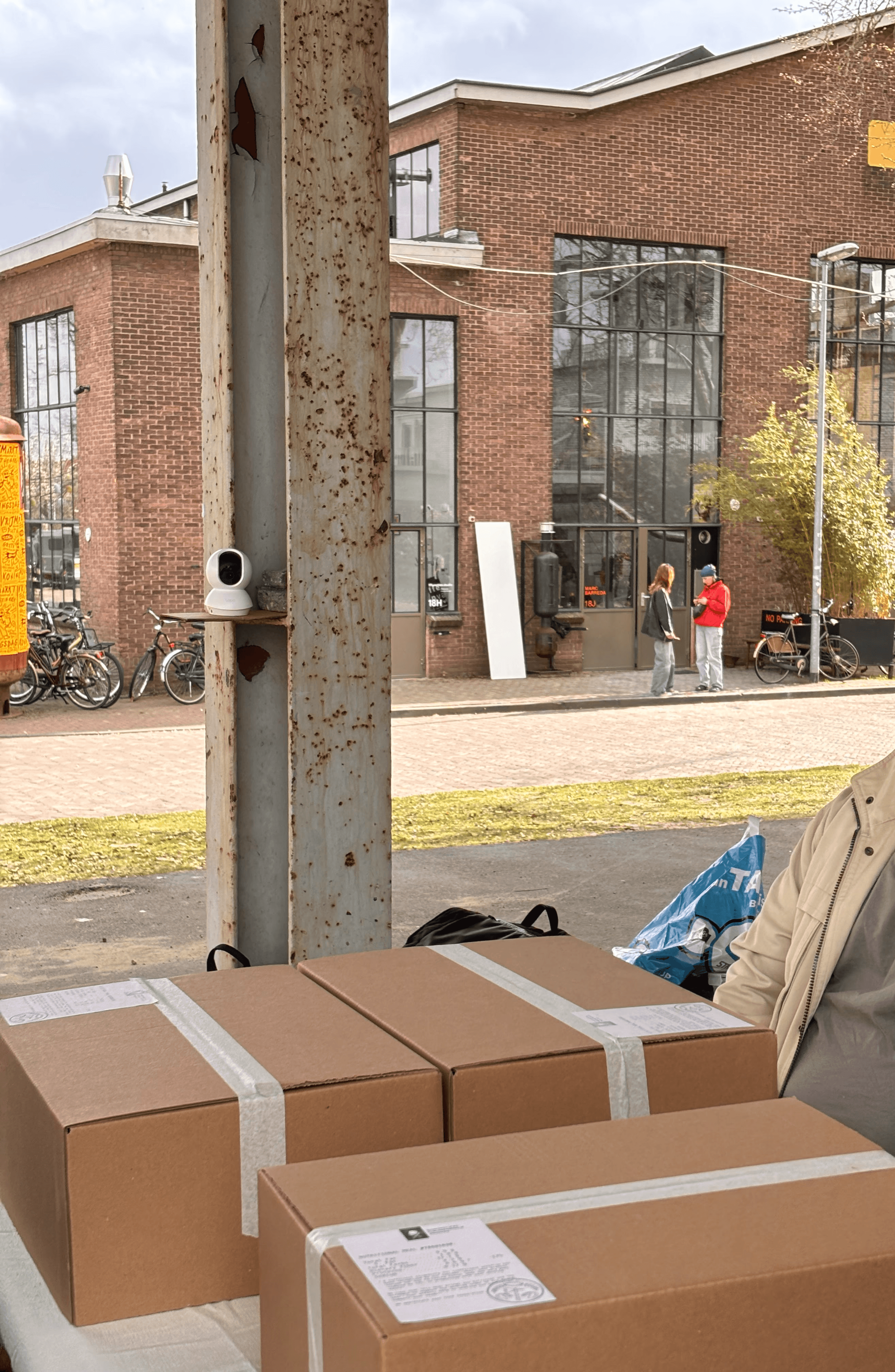
Figure 1. Speculative dinner event setup immersion: security camera used for documentation and worldbuilding; own photo (2025).
Speculative worldbuilding
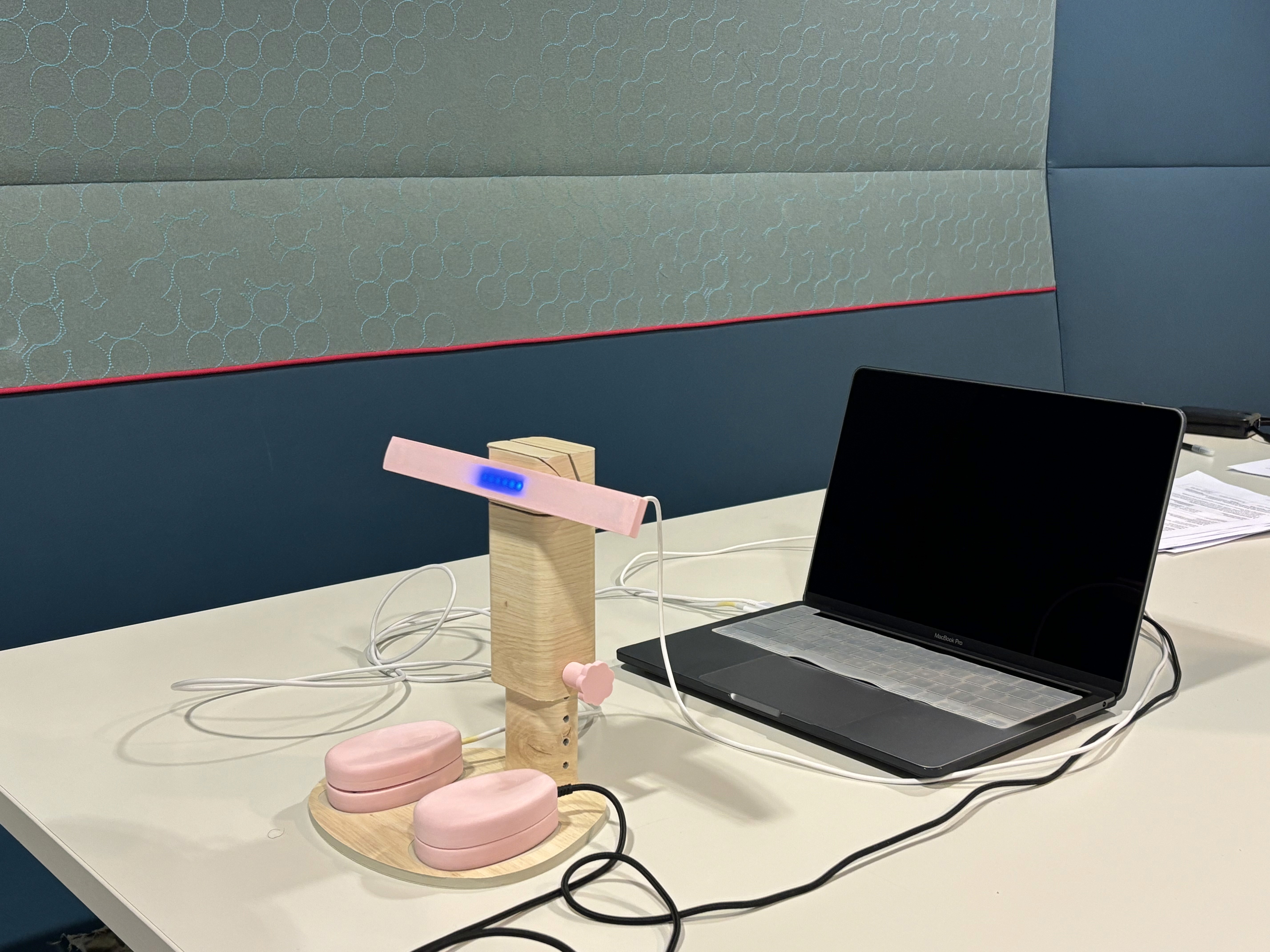
Figure 2. Speculative worldbuilding. Designs, prototyping and photos by me (2025).
User testing setup
User testing setup
Figure 3. Gondry user test set-up, own photo (2024).
Probe kits for design <> research
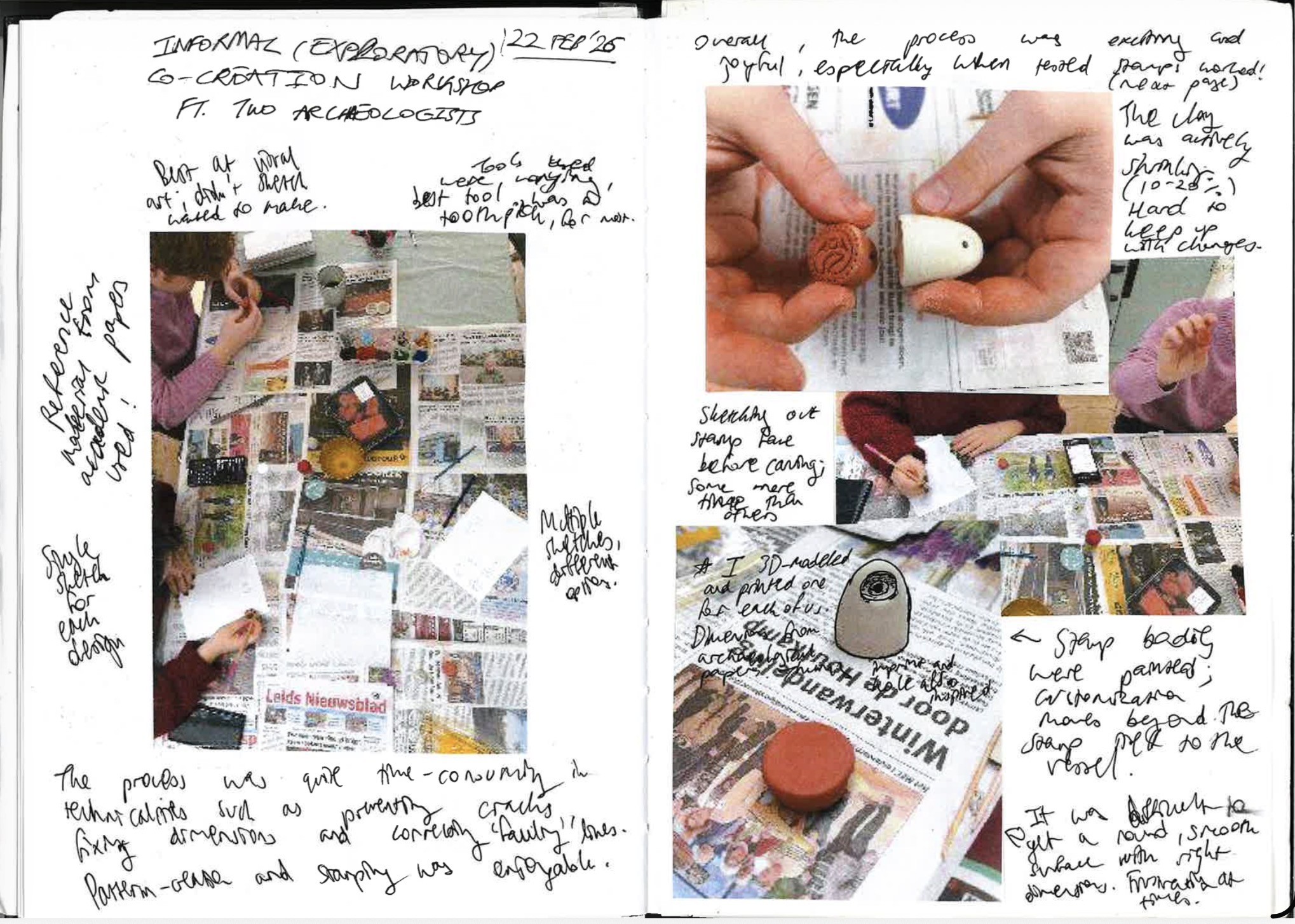
Figure 4. Workbook reflections on exploratory co-creation workshop for FBP (2026).
For sustainability & design
Figure 5. Using speculative worldbuilding skills once again for name tags and invitations to speculative fiction during FBP (2026).

References

Fals-Borda, O., & Rahman, M. A. (Eds.). (1991). Action and knowledge: Breaking the monopoly with participatory action research. Apex Press ; Intermediate Technology Publications. Gloerich, I., & Ferri, G. (2023). First-Person Speculative Fabulation: A Workshop Method for Times of Crisis. Mediapolis: A Journal of Cities and Culture, 8(4). https://www.mediapolisjournal.com/2023/11/speculative-fabulation/ Mignolo, W., & Vazquez, R. (2013). Decolonial AestheSis: Colonial Wounds/Decolonial Healings: DECOLONIAL AESTHESIS. https://socialtextjournal.org/periscope_article/decolonial-aesthesis-colonial-woundsdecolonial-healings/ Sanders, E. B.-N. (2002). From user-centered to participatory design approaches. In J. Frascara (Ed.), Design and the Social Sciences (Vol. 20020425, pp. 1–8). CRC Press. https://doi.org/10.1201/9780203301302.ch1 Sanders, E. B.-N., & Stappers, P. J. (2008). Co-creation and the new landscapes of design. CoDesign, 4(1), 5–18. https://doi.org/10.1080/15710880701875068

Any Feedback?

As a designer-in-training, and even as a human, I am always a work in progress; please feel free to reach out with your feedback and suggestions.

Hazal Say Ötün ©all rights reserved

Any Feedback?

As a designer-in-training, and even as a human, I am always a work in progress; please feel free to reach out with your feedback and suggestions.

Hazal Say Ötün ©all rights reserved