Technology & Realization
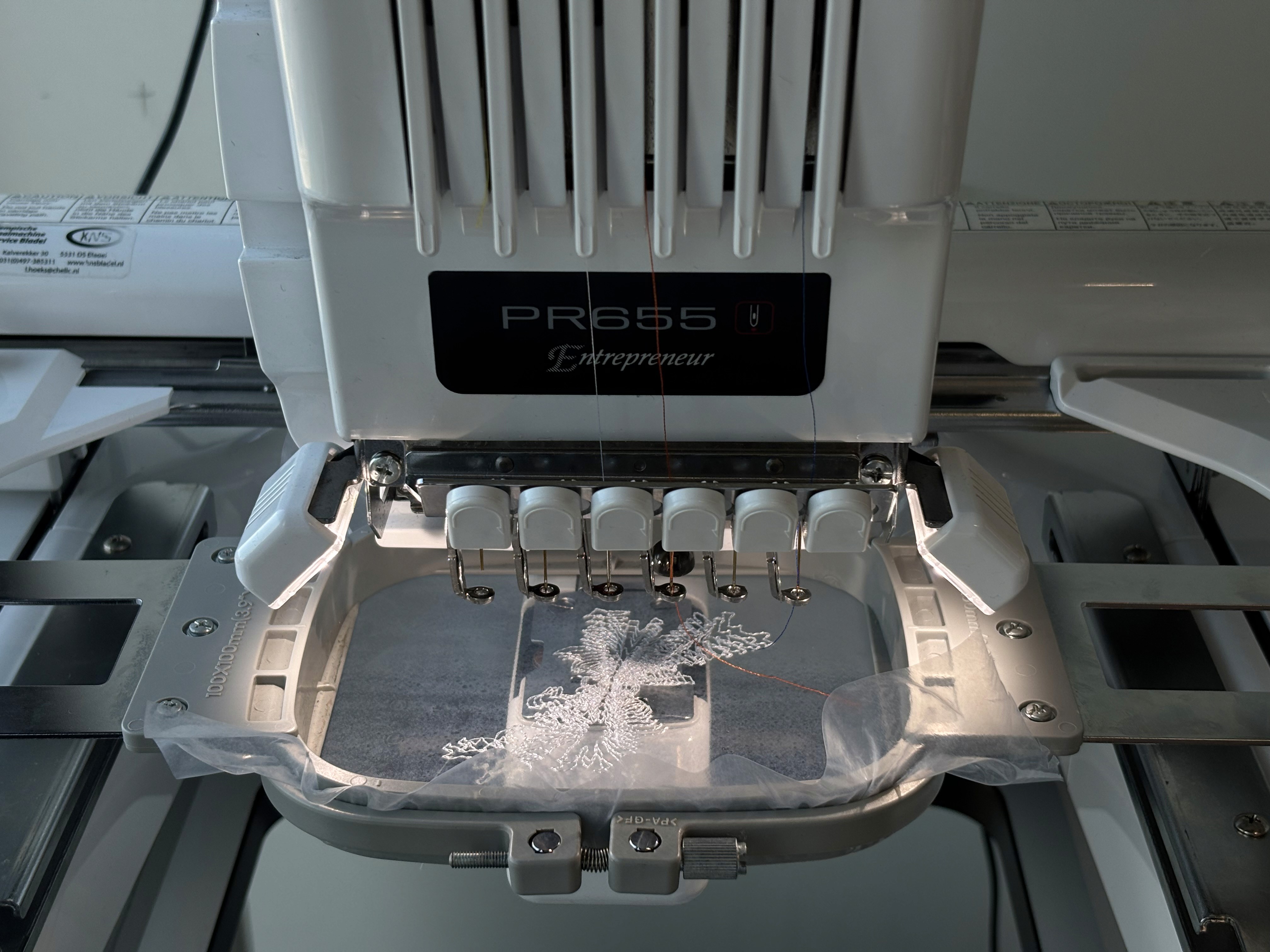
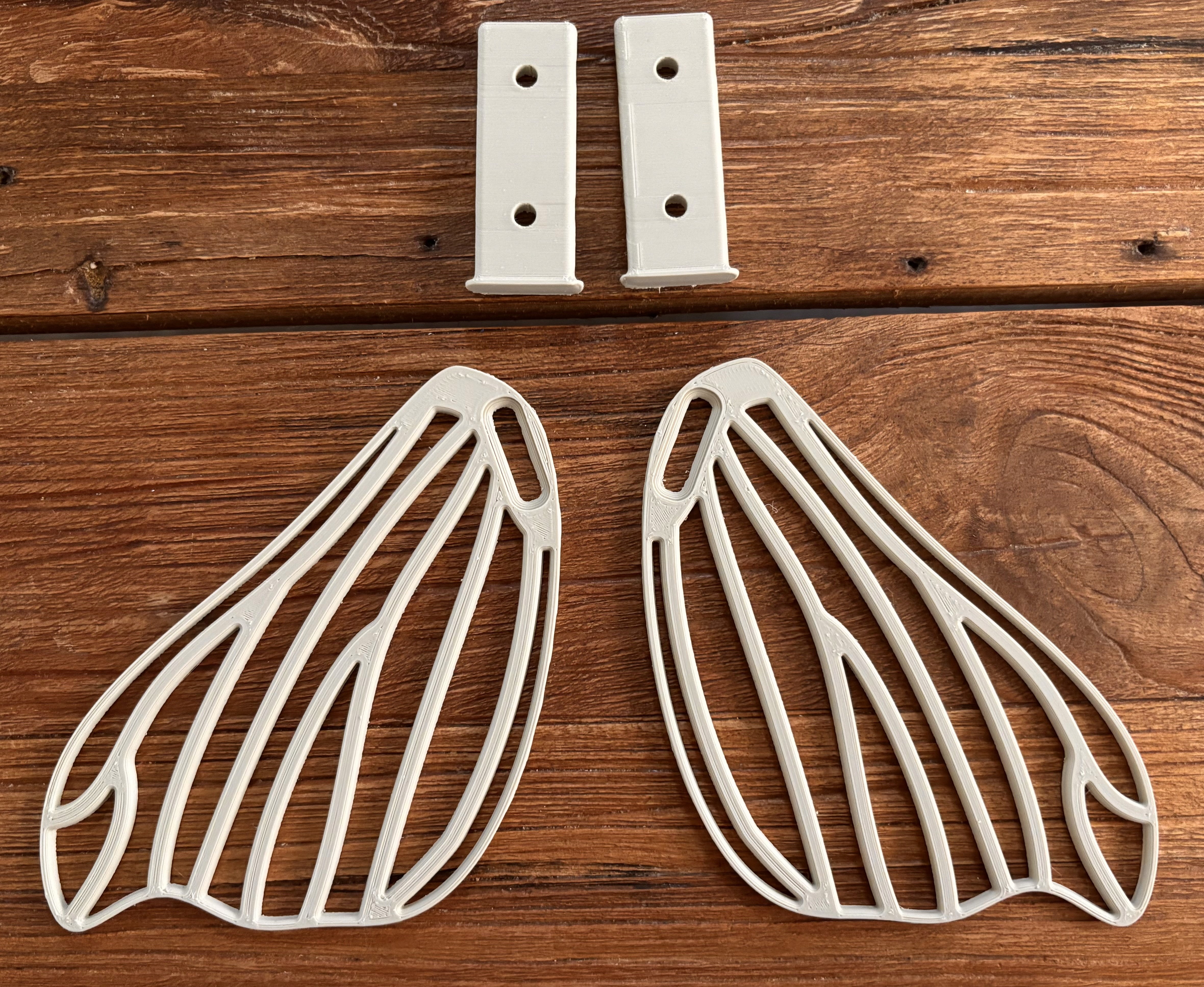
Technology & Realization allows me to grasp what emerging technologies are made of and what they are capable of. This is crucial because industrial designers are often responsible for bringing technologies into everyday life, making us responsible for their societal impacts. In B1, I became proficient in Fusion 360, produced 3D models for Project 2, and learned about tolerances, model strength, slicing, infill densities and material settings. Material testing was also important: I tested air-tight plastics for a soft robot, participated in Magic Machine Workshop sessions (Andersen & Wakkary, 2019), and experimented with co-polyester filament. In Design Actuated Systems (DRB170), I explored more advanced mechanical design, using belts and spring mechanisms to create a kinetic sculpture with a combination of 3D printed, laser cut and manufactured parts (Figure 2). T&R also became connected to playfulness and speculation. Brian as a Worm was not only technical, but a whimsical interaction based on earthworms’ photophobia and kinetic response to tapping that sounded like rain. My designs continue to include appropriate levels of whimsy, because I feel this brings humility to the design and designer. During Multidisciplinary CBL, I came up with our main concept, a new evolution of Theo Jansen's Strandbeesten (2022) which we called 'Futilium', based on the motion and futile life of a silk moth (Figures 4 and 5). I 3D-modeled, printed and sewed the wings for the moth (Figures 2 and 3) based on a real moth's wing patterns. During my internship, T&R became more industry-oriented through AutoCAD, technical drawing conventions, floor plans and furniture design. I learned that realization is not only building prototypes, but also communicating a design so it can be manufactured, reviewed or continued by others.