Creativity & Aesthetics
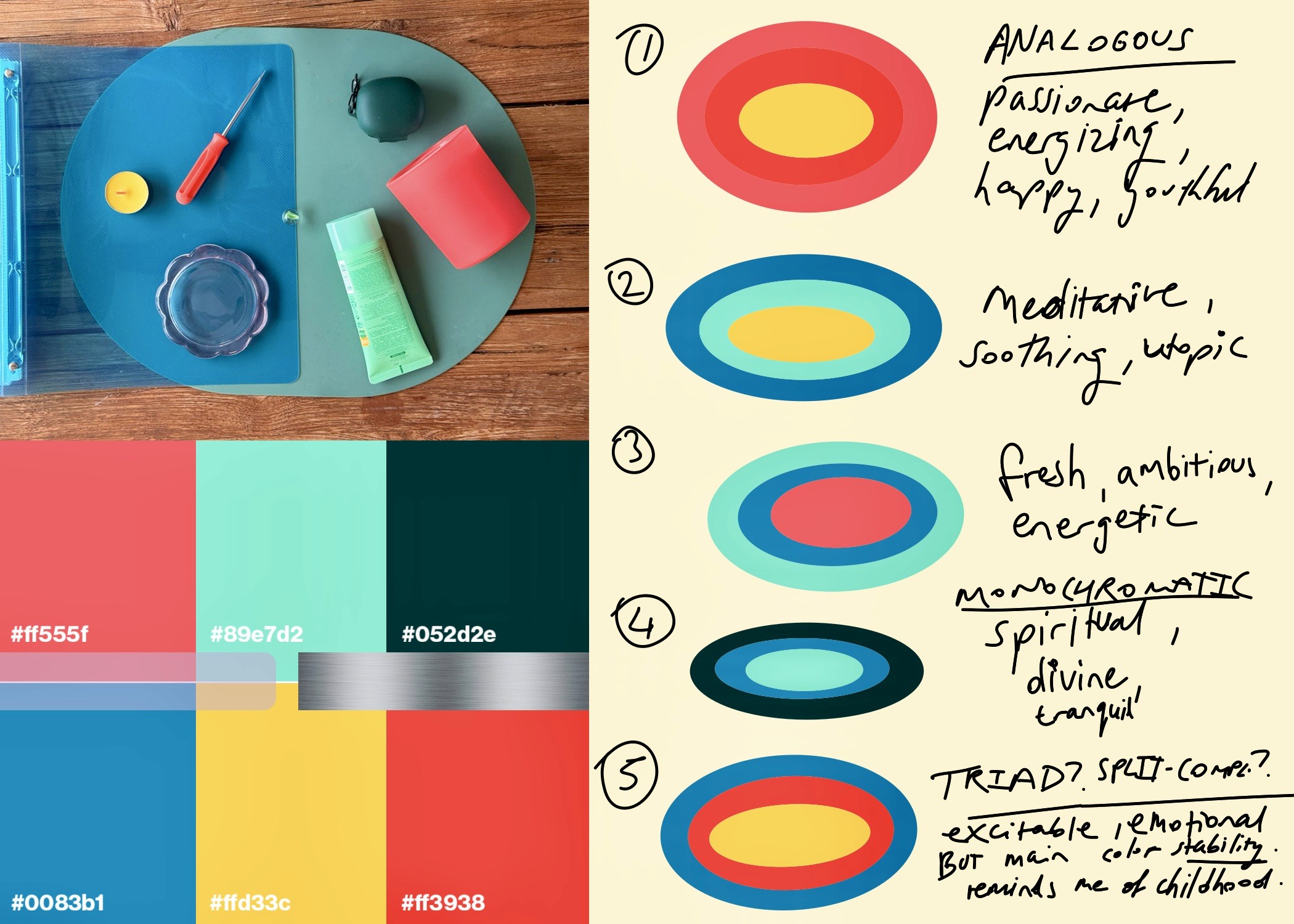
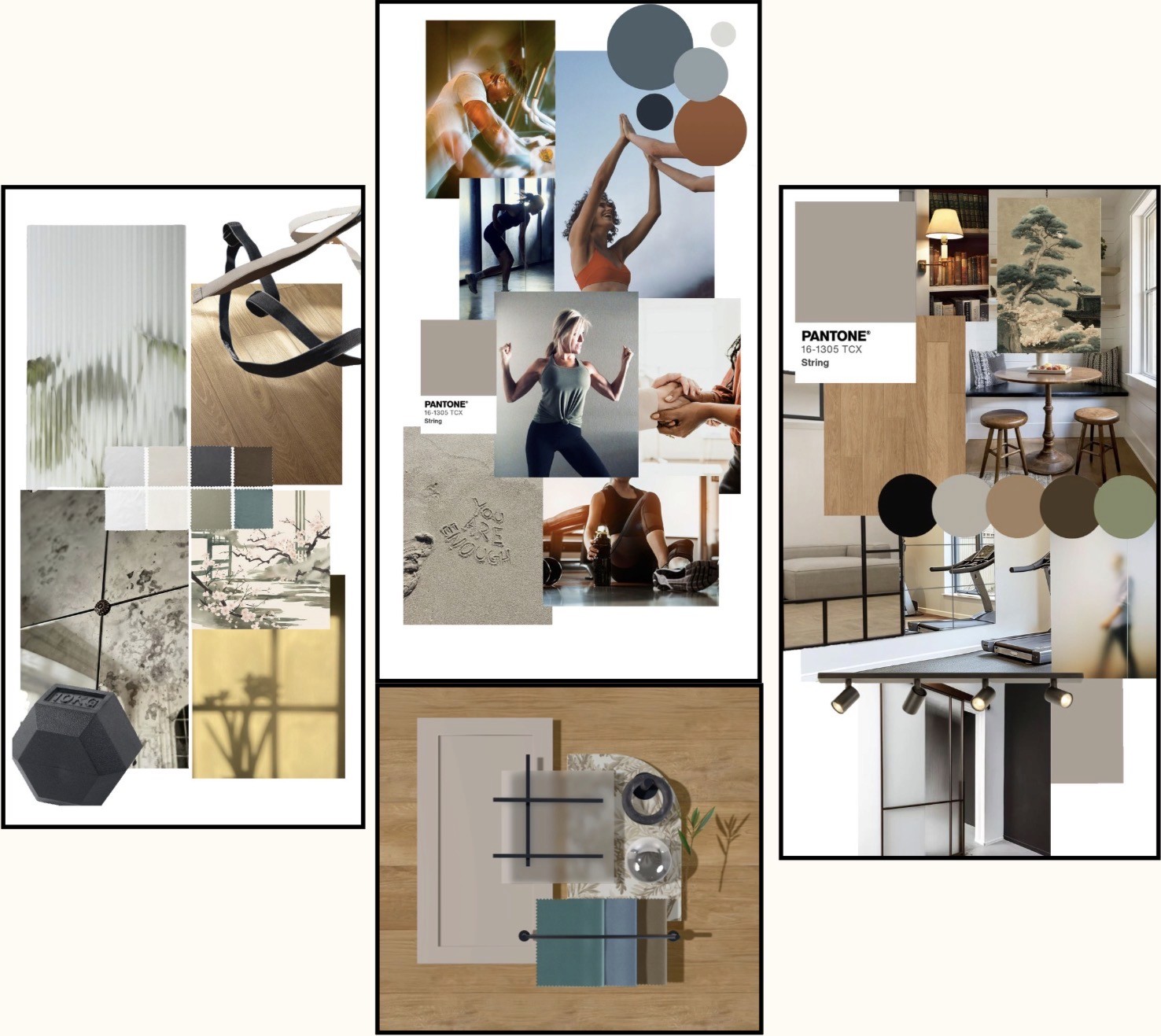
My understanding of Aesthetics can best be described through “decolonial aestheSis” (Mignolo & Vazquez, 2013). I understand aestheSis not simply as “multisensory aesthetics”, but as a way to question how modern/colonial aestheTics has regulated what counts as beauty, taste, value and valid ways of sensing. Mignolo and Vazquez describe aestheTics as a modern framework that colonized ‘aestheSis’ by turning a historically situated European understanding of taste and beauty into a universal norm. Decolonial aestheSis, then, is an option that challenges this normativity and makes space for ways of sensing, making and relating to the world that have been silenced, devalued or treated as “craft” rather than knowledge. This matters to my understanding of Creativity & Aesthetics because I do not see visuals, interaction and material choices as neutral decisions. They can reproduce dominant visual(/material) languages, but they can alternatively make cultural memory, dignity and alternative futures tangible. In B1, my development in C&A was connected to sketching, brainstorming, lo-fi prototyping and improving aesthetic quality. I learned to convey ideas more quickly and developed a critical attitude towards harmony between form and function. I was also interested in whimsy and playfulness, for example through Brian as a Worm and Project 2, where we created a companion for creative discussions with its own personality. During B2, my understanding became more methodological. In B2, I learned about rich interaction (Wensveen et al., 2002; Wensveen et al., 2004) , and Aesthetics of Interaction helped me study more extreme methods of interaction (Figures 4 and 5); Digital Craftsmanship helped me understand data and fabrication as creative material. In my B2.2 PDP, I revised my long-term goal from a visual language to a “signature material language,” because I realised that designers can weave not just physical materials, but also data, narratives and paradigms into material. Gondry (Figure 2) was an important example of this: an AI-supported wellness tool inspired by EMDR therapy, where the ethical stance of the device as a wellness tool (vs. medical device) was translated into form, CMF and interaction. During the summer break after this project, I decide to take a CMF online course to improve my knowledge and skills (Figure 1). During my B3.1 internship, I created mood, concept and material boards (Figure 3) and learned how concept development happens in an interior-furniture design studio. Creativity, to me, is therefore not inspiration alone, but the methods and tools used to achieve interactive artifacts, experiences and narratives.